Genre
Conventions
Conventions are the widley recognised way of doing something. They are in any type of media, for example the use of good critic reviews on a movie poster.


Codes
Codes are signs which create meaning.
They can be seperated into two categories:
- Technical
- Symbolic
Technical codes are the ways in which equipment is used to tell a story, for example the lighting in a film.
Symbolic codes show what is under the surface of what we see, for example the non diegetic sound will show you how the character is feeling. Some codes can fit in both categories: music for example is both technical and symbolic.
Sub-Genre
Sub-Genre are overall groups of media that share similar conventions. An example The sub-genre of animation would be hand drawn or computer generated animation.
Hybrids
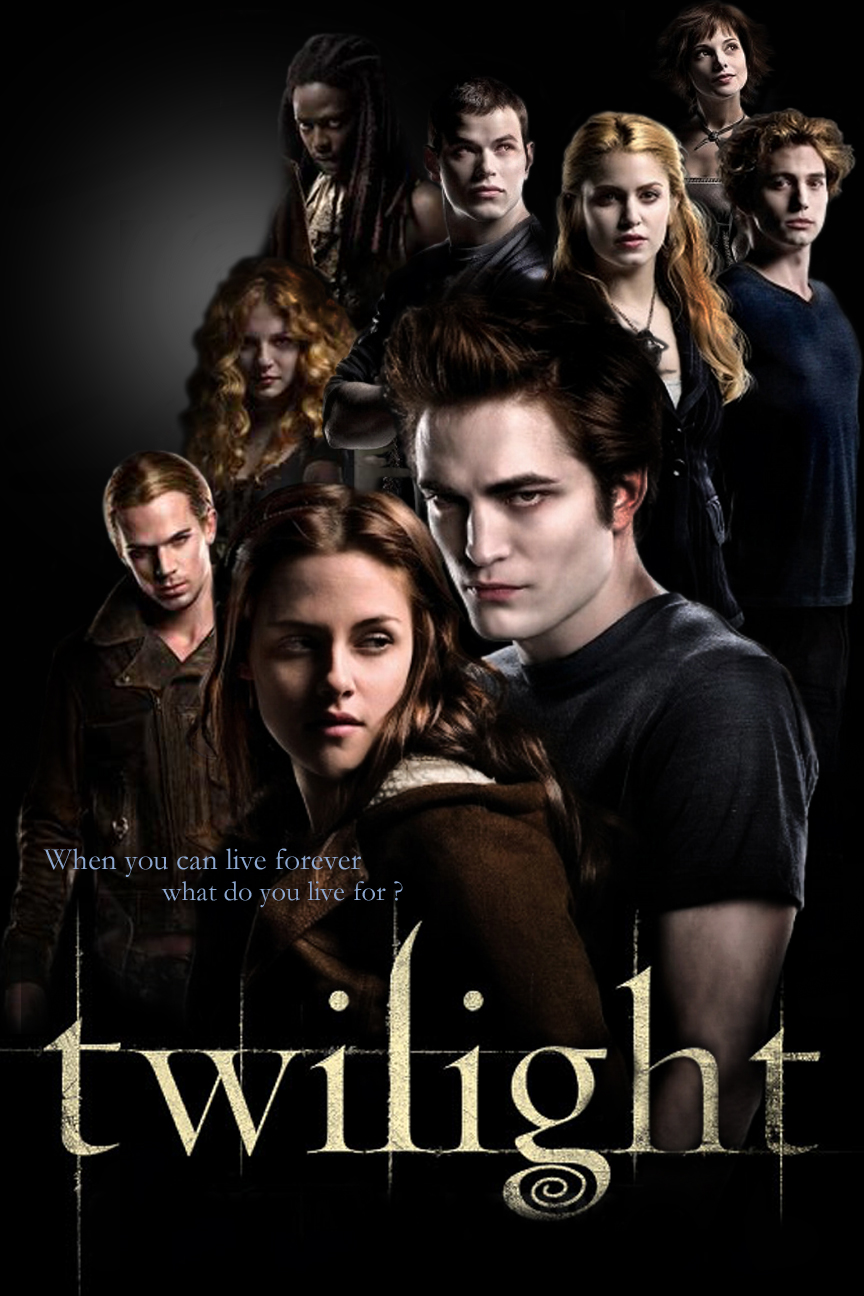
Hybrids are the putting together of different genres. Horror movies are predominantly the main genre which people of general ages enjoy the most. An example is Twilight which is a mixture of horror and romance.

Iconography
Iconography is the interpretation of images. For example in the genre film of horror there will always be the repetition of ghosts and dark lighting.

No comments:
Post a Comment